Checking Out the Different Sorts Of Treatment Offered for Teens With a Therapist for Teens
Teens encounter unique challenges that can impact their psychological wellness. Numerous restorative strategies are tailored to resolve these concerns successfully. From Cognitive-Behavioral Treatment (CBT) to Art Treatment, each technique provides unique advantages. Understanding these treatments can aid caregivers make notified choices. What variables should be taken into consideration when picking the appropriate method for a teenager? The expedition of these various treatments reveals insights that can significantly enhance adolescent health.
Understanding Cognitive-Behavioral Therapy (CBT) for Teens
Cognitive-Behavioral Therapy (CBT) functions as a powerful device for dealing with the special psychological health difficulties encountered by teenagers. This evidence-based strategy concentrates on the interplay in between actions, ideas, and feelings, aiding teenagers identify and change negative idea patterns that add to their struggles. With structured sessions, specialists assist teens in acknowledging their cognitive distortions, fostering healthier coping devices and emotional policy.
CBT is particularly efficient in handling anxiety, clinical depression, and behavioral problems, as it furnishes teenagers with sensible skills to navigate their every day lives. The treatment encourages self-reflection and advertises a proactive way of thinking, encouraging teenagers to take control of their psychological wellness trip. By setting certain objectives and using various methods, such as journaling and role-playing, CBT fosters resilience and self-awareness. Generally, this healing strategy provides teenagers with crucial tools to face their difficulties and construct a much more positive expectation on life.
The Advantages of Dialectical Habits Treatment (DBT)
While several healing methods provide useful insights for teenagers, Dialectical Behavior modification (DBT) attracts attention for its performance in resolving psychological law and interpersonal obstacles. Developed by Dr. Marsha Linehan, DBT combines cognitive-behavioral techniques with mindfulness methods, making it specifically appropriate for teenagers grappling with intense emotions. This treatment aids teens recognize and recognize their sensations, promoting much healthier actions to stress factors.
Among the considerable benefits of DBT is its concentrate on building abilities in four vital areas: mindfulness, interpersonal performance, distress tolerance, and psychological law. These skills empower teens to cope and navigate intricate relationships with tough situations better. In addition, DBT encourages a solid healing partnership between the specialist and the adolescent, promoting trust fund and visibility. Consequently, lots of teenagers experience boosted emotional security and improved coping devices, inevitably causing a much more meeting life and more powerful relationships with peers and household.
Exploring Art Therapy as an Imaginative Electrical outlet
Art treatment offers teenagers a distinct opportunity for self-expression and emotional exploration (Youth Counsellor). Through numerous strategies and approaches, it allows them to interact sensations that may be hard to articulate verbally. By engaging in imaginative tasks, adolescents can experience therapeutic advantages that promote mental wellness
Benefits of Art Therapy
Participating in art therapy gives teenagers with an unique innovative outlet that cultivates psychological expression and individual insight. This restorative method enables teens to communicate feelings and experiences that may be hard to express verbally. With various kinds of artistic expression, such as drawing, paint, or sculpting, teenagers can discover and refine intricate feelings, bring about enhanced self-awareness. Furthermore, art therapy promotes leisure and stress relief, using a risk-free space for people to release stifled feelings. The non-judgmental environment encourages testing, assisting teenagers build confidence in their creativity and analytic abilities. Therefore, art treatment can boost overall mental well-being, offering a valuable tool for dealing with life's challenges throughout this vital developing phase.
Techniques and Techniques
When exploring art therapy as an innovative outlet, different methods and techniques can be used to facilitate emotional expedition and expression. These might include drawing, sculpting, collage-making, and painting, permitting teenagers to connect feelings that may be challenging to express verbally. Assisted imagery can likewise be utilized, urging people to visualize and create depictions of their feelings. Furthermore, the unification of songs or movement can improve the creative process, promoting a deeper connection to their inner experiences. Group art activities supply possibilities for social interaction and shared recovery. Importantly, the focus in art treatment lies out imaginative ability but on the process of creation, encouraging teens to uncover their very own distinct kinds of self-expression and understanding.
Art as Expression
Creativity works as an effective avenue for self-expression, especially for teenagers navigating complex emotions. Art therapy supplies an unique electrical outlet for teenagers to check out and connect feelings that may be hard to articulate vocally. Via drawing, paint, or sculpting, teens can picture their internal struggles, cultivating a feeling of understanding and launch. This healing strategy permits personal interpretation and motivates exploration without judgment. Additionally, engaging in imaginative activities can increase self-confidence and advertise psychological strength. As teens develop, they may locate brand-new perspectives on their challenges, causing recovery and personal development. Ultimately, art therapy offers as a crucial resource, empowering adolescents to navigate their psychological landscapes with innovative expression.
The Role of Family Members Therapy in Adolescent Mental Wellness

Advantages of Household Participation
Communication and Problem Resolution
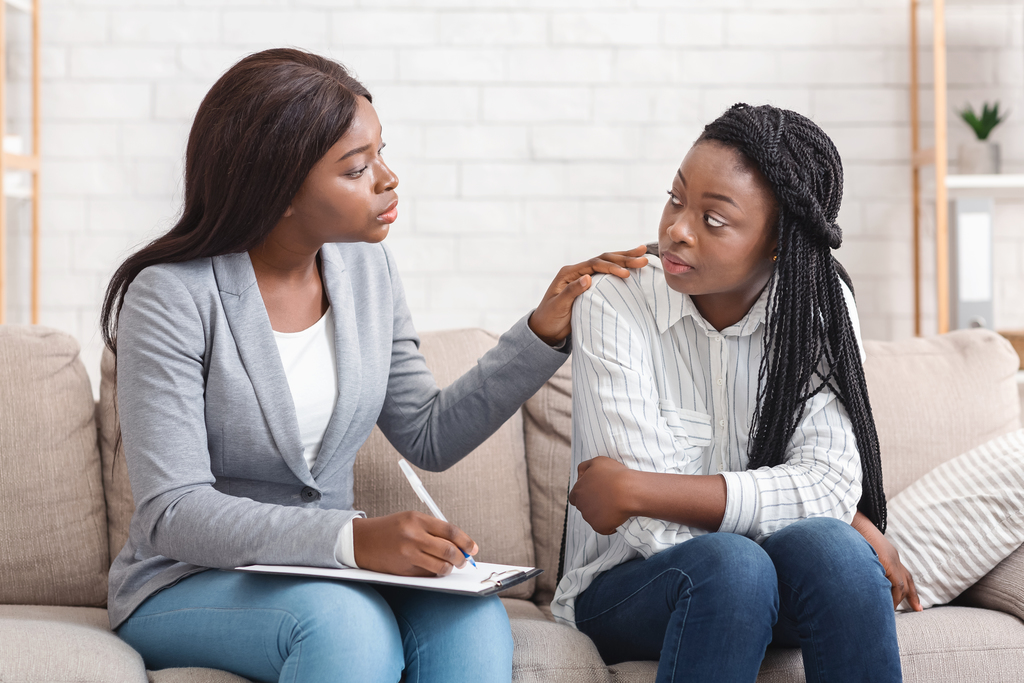
Effective interaction and problem resolution are essential components of teenage psychological health and wellness, particularly within the context of family members therapy. Household treatment supplies a structured setting where teenagers can share their sensations and thoughts, fostering open discussion. This therapeutic setting encourages member of the family to actively pay attention to each other, promoting understanding and compassion. By dealing with problems in a secure space, adolescents learn useful i loved this skills for handling disagreements constructively, which can reduce more helpful hints emotional distress. Furthermore, these skills boost family dynamics, bring about much healthier relationships. As teens navigate the complexities of their feelings, family treatment furnishes them with tools to interact efficiently, resolve conflicts amicably, and strengthen familial bonds, inevitably sustaining their general psychological health.
Utilizing Mindfulness-Based Treatment for Stress And Anxiety Decrease
As adolescents navigate the intricacies of teenage life, incorporating mindfulness-based therapy can act as a powerful device for anxiety decrease. This healing technique emphasizes present-moment awareness, assisting teenagers face their ideas and feelings without judgment. By practicing mindfulness techniques such as deep breathing, body scans, and guided imagery, teenagers can find out to take care of anxiousness and tension better.
Study suggests that mindfulness-based treatment can boost emotional law and resilience in teens, allowing them to cope better with scholastic stress and social obstacles (Youth Counselling). Routine practice can cause boosted focus, minimized impulsivity, and better total well-being. Furthermore, mindfulness fosters a sense of connection to oneself, promoting self-compassion and minimizing unfavorable self-talk
Including mindfulness right into treatment sessions offers teens sensible techniques they can make use of in day-to-day life, equipping them to browse stress factors with higher convenience and confidence. Therefore, mindfulness-based therapy becomes an important resource in sustaining adolescent psychological wellness.
Integrating Play Treatment for Younger Teens and Preteens
Therapists learnt this technique develop a risk-free environment where more click here to find out more youthful teens can discover their concerns and develop coping methods. By participating in play, these individuals can better recognize their feelings and discover to navigate social interactions. Additionally, play treatment can cultivate strength and problem-solving skills, crucial for navigating the difficulties of adolescence. Generally, incorporating play treatment can improve the restorative procedure, providing more youthful teenagers and preteens with the tools they require to prosper mentally and socially.
Often Asked Questions

Exactly how Do I Know if My Teenager Demands Treatment?
Signs that a teen may require therapy include relentless sadness, changes in behavior, withdrawal from pals or activities, academic decrease, enhanced stress and anxiety, compound use, or trouble handling life changes. Observing these signs can prompt professional assessment.
What Qualifications Should I Search for in a Teen Specialist?
When looking for a teen therapist, one must focus on certifications such as relevant levels in psychology or therapy, state licensure, specialized training in teenage concerns, and experience dealing with teens in different therapeutic settings.
Just How Can I Support My Teen Throughout Therapy?
To support a teen throughout therapy, one ought to proactively pay attention, offer support, regard their privacy, and validate their sensations. Furthermore, fostering open communication can assist them really feel extra comfy discussing their experiences and emotions.
What Are Typical Indications of Mental Wellness Issues in Teens?
Common indications of psychological health problems in teenagers include consistent unhappiness, withdrawal from good friends and tasks, modifications in rest or cravings, difficulty focusing, increased irritability, chemical abuse, and obvious declines in academic performance or self-confidence. (Therapists For Teens)
How Much Time Does Therapy Normally Last for Teenagers?
Therapy duration for teenagers commonly varies, commonly lasting from a few weeks to numerous months. Elements affecting this timeline include the individual's particular requirements, the sort of treatment, and development made throughout sessions.
From Cognitive-Behavioral Treatment (CBT) to Art Therapy, each technique uses distinctive benefits. Cognitive-Behavioral Therapy (CBT) offers as a powerful device for addressing the distinct psychological wellness difficulties faced by teenagers. Involving in art treatment offers teens with a distinct imaginative electrical outlet that cultivates psychological expression and individual understanding. Household therapy gives a structured atmosphere where teens can share their ideas and sensations, cultivating open dialogue. Study shows that mindfulness-based treatment can enhance psychological law and resilience in teenagers, enabling them to cope much better with social challenges and scholastic pressures.
Comments on “What to look for when choosing a Youth Counsellor for your teenager”